
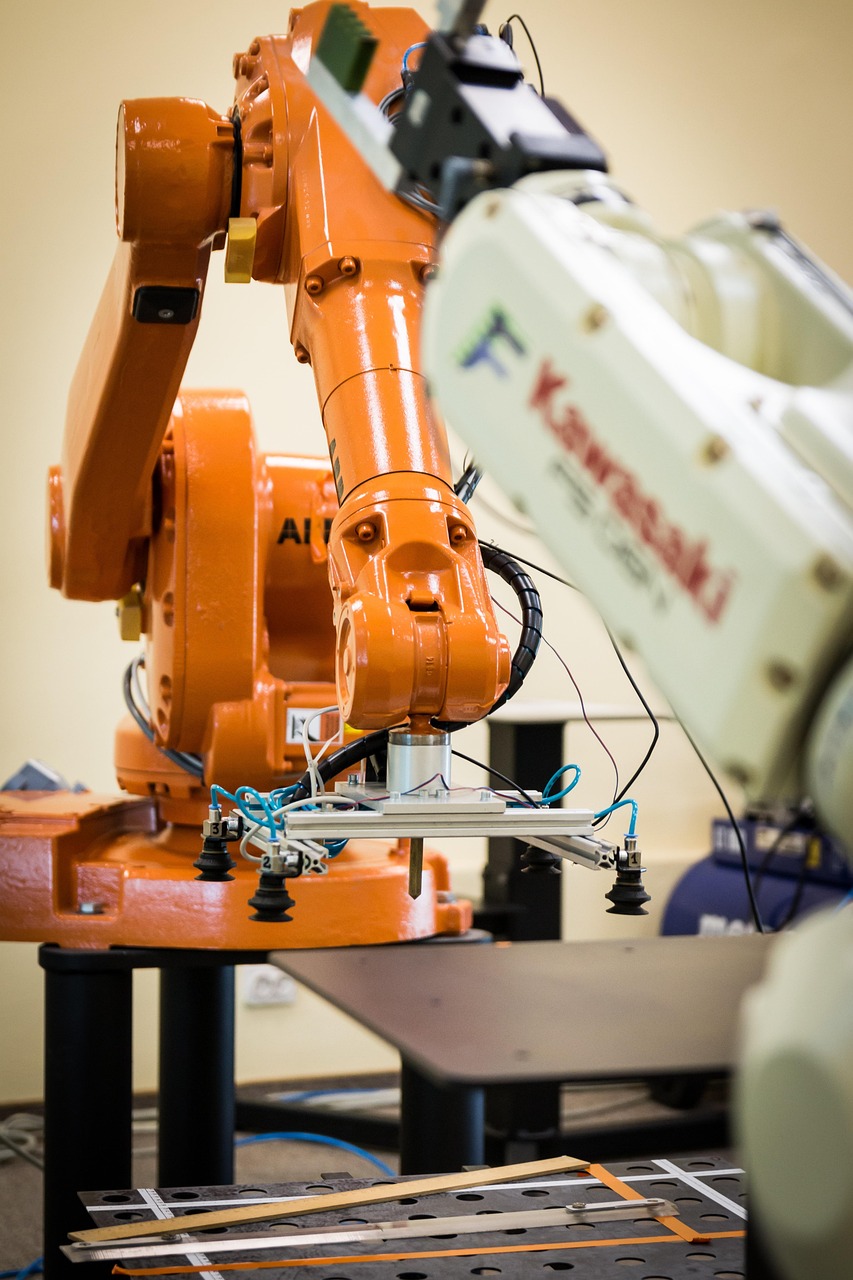
Choosing a manufacturing process early in a project has a direct effect on part cost, lead time and achievable tolerances. Machining, stamping and die casting each fit different geometries and production volumes.
Machining
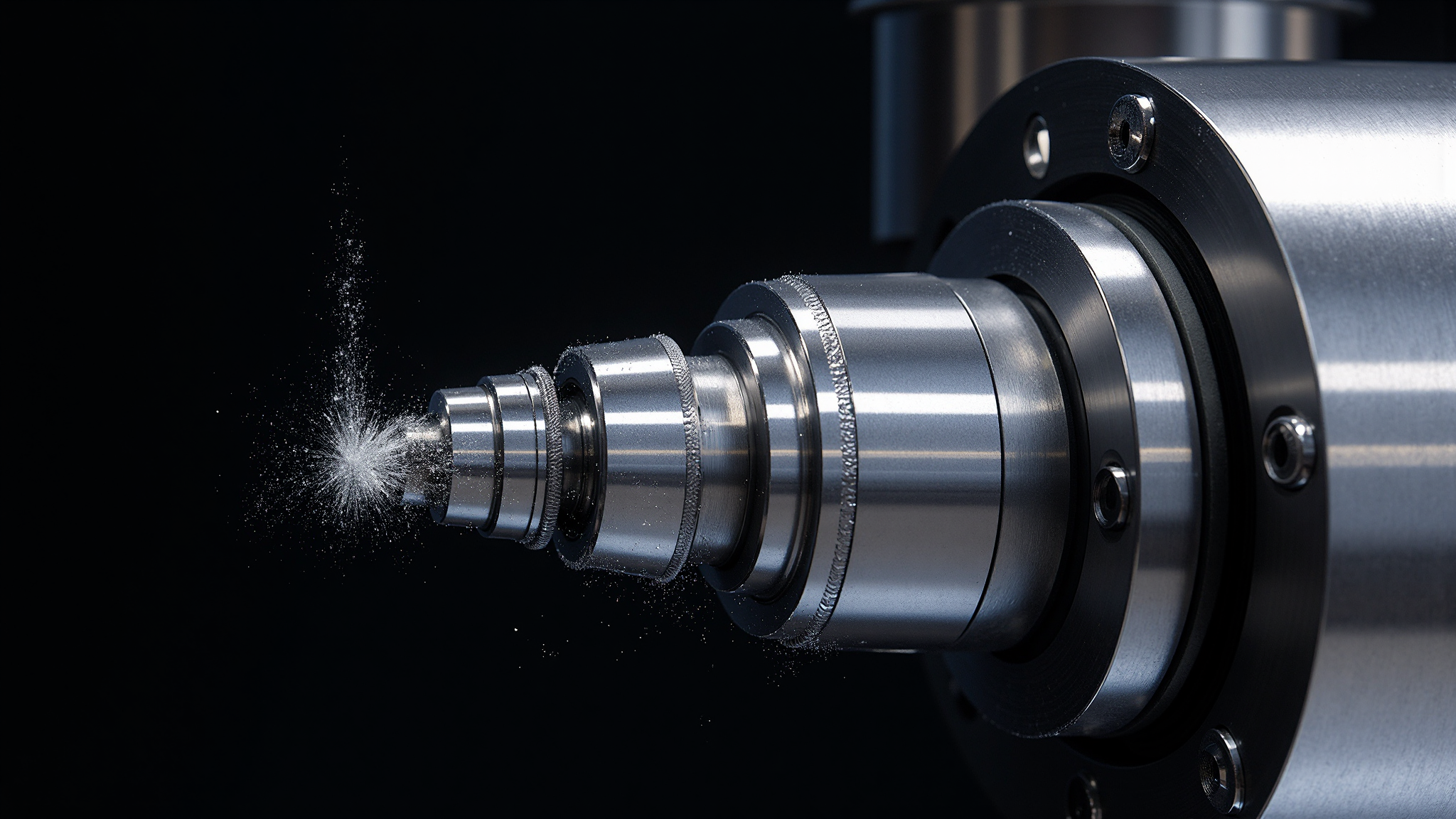
Machining removes material with CNC mills, lathes and multi-axis centers. It suits complex geometries, tight tolerances and low-to-medium volumes without dedicated tooling. It is often the fastest route for prototypes and bridge production.
Stamping
Stamping forms sheet metal with a press and a dedicated die. Once the tool is built, cycle times are short and per-part cost falls at higher volumes. It fits brackets, plates, clips and other flat or formed sheet parts.
Die casting
Die casting fills a steel mold with molten metal under pressure. It suits complex, thin-walled parts with good surface detail and dimensional consistency at production volumes. Tooling investment is higher than machining but amortizes across large batches.
How to decide
- Geometry and tolerance: complex 3D features and tight tolerances usually favor machining.
- Volume: low volumes favor machining; high volumes favor stamping or die casting.
- Tooling budget: stamping and die casting require dedicated molds or dies.
- Material: sheet-metal parts suit stamping; cast alloys suit die casting; bar stock suits machining.
- Finish: consider secondary operations such as anodizing, plating, painting or laser marking.
Send the drawing, target volume and quality requirements to our team for a process review and a quotation.