
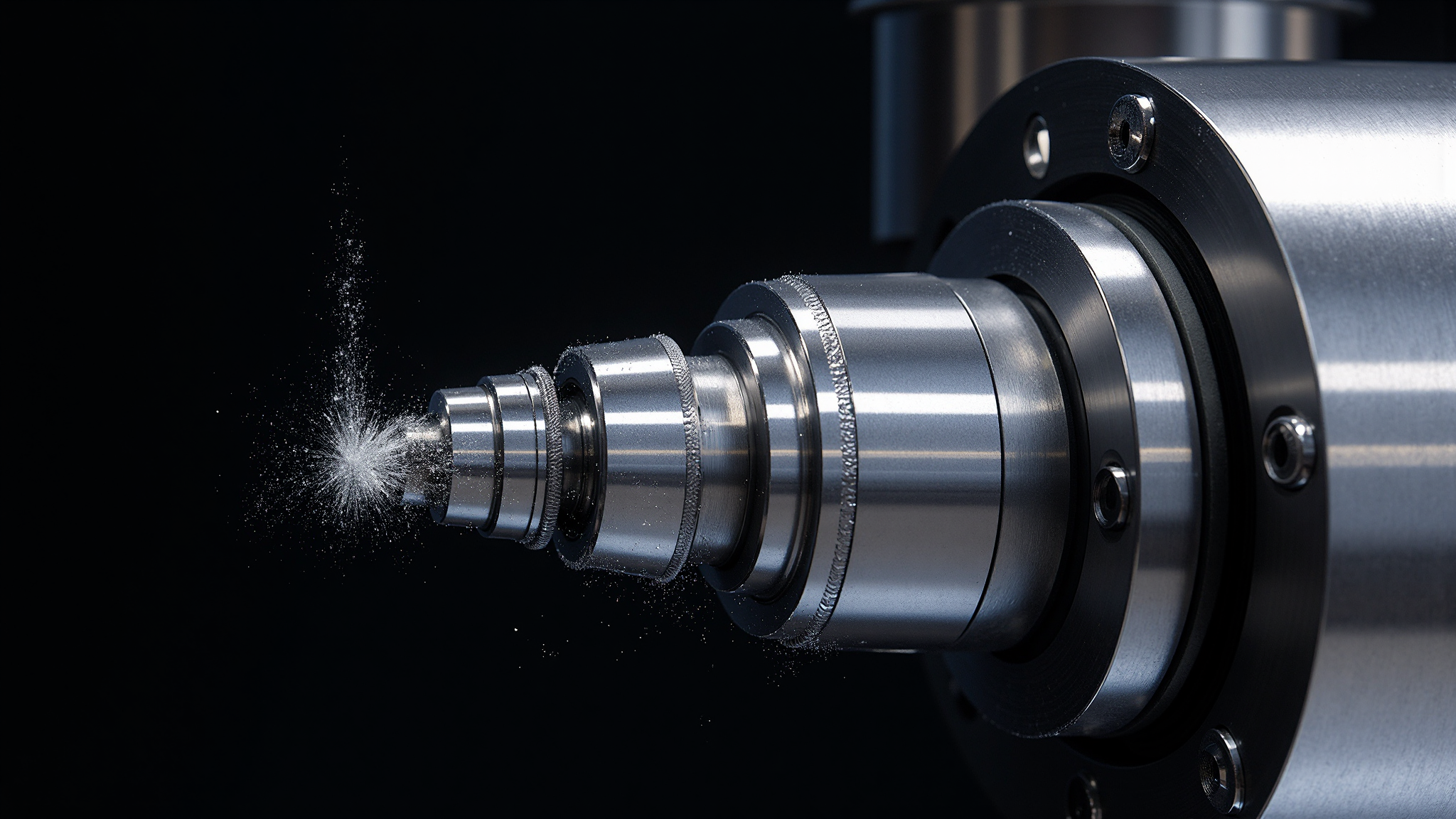
Machined part cost is driven by the amount of material removed, the number of setups and the precision required. Small drawing changes can have a large effect on cycle time.
1. Material
Material grade, stock size and availability affect both the raw material price and machinability. Choosing a common grade and a stock size close to the finished part reduces waste.
2. Tolerances
Tight tolerances require more careful setups, slower feeds and additional inspection. Specify tight tolerances only where the function requires them.
3. Feature complexity
Deep pockets, thin walls, undercuts and complex 3D surfaces increase machining time and may require multi-axis equipment or special tooling.
4. Setup and quantity
Each setup adds fixture and programming time. Higher quantities spread setup cost across more parts, while low volumes carry a higher per-part share.
5. Surface finish and secondary operations
Fine surface finishes, heat treatment, anodizing, plating and laser marking add process steps and inspection points.
Include the drawing, material, quantity and critical-to-function dimensions in your request for quotation.